




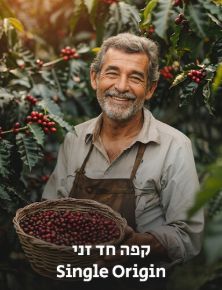

Ethiopian Coffee: The Ultimate Guide to Origins, Regions, and Roasting
Introduction
Ethiopian coffee is the cornerstone of the global coffee culture, revered for its complex flavor profiles and historic significance. This guide delves into coffee growing practices, key origins, and top producing regions such as Sidamo, Yirgacheffe, Limo, and Guji. Whether you are a roaster, barista, or enthusiast, understanding these nuances will elevate your appreciation and roasting craft. Get ready to explore how terroir and traditional processing shape each unique cup.
The Birthplace of Coffee: Ethiopian Coffee Origins
Ethiopia is widely recognized as the birthplace of Coffea arabica, with wild coffee forests dotting the southwestern highlands. Local legend traces coffee’s discovery to a goat herder named Kaldi, whose goats became lively after nibbling on local cherries. Modern genetic research confirms Ethiopia’s role as a center of arabica diversity, preserving hundreds of heirloom varieties. The rich biodiversity and altitudinal range create microclimates that impart distinctive regional characteristics.
Key Ethiopian Coffee Growing Regions
Ethiopia’s coffee landscape is divided into several renowned regions, each contributing unique flavors. These include Sidamo, known for its balanced acidity and floral notes, and Yirgacheffe, famous for tea-like body and citrus aroma. Limo offers a smooth, chocolatey profile, while Guji produces delicate sweetness with fruity undertones. Beyond these, regions like Harrar, Limu, and Bench Maji enrich the Ethiopian coffee map.
Sidamo
Sidamo sits at elevations ranging from 1,500 to 2,200 meters above sea level, where fertile soils and abundant rainfall support coffee cultivation. Farmers typically use natural and washed processing, enhancing both fruity and clean flavor profiles. Sidamo beans often exhibit bright acidity, jasmine-like florals, and hints of berry sweetness. The region’s cooperative washing stations ensure quality control and sustainable practices.
Yirgacheffe
Yirgacheffe is a sub-region of Sidamo that thrives between 1,700 and 2,200 meters in the Gedeo Zone. Coffee grown here is predominantly processed using the washed method, accentuating its crisp acidity and tea-like body. Expect bright citrus notes, bergamot fragrance, and delicate honey sweetness in your cup. Smallholder farmers harvest cherries by hand, contributing to meticulous cherry selection.
Limo
Limo lies to the west of Sidamo at altitudes between 1,400 and 1,900 meters, featuring rich volcanic soils. This region’s coffees are often natural processed, which amplifies their chocolaty, nutty undertones and gentle body. Well-rounded acidity and a smooth finish make Limo beans a roaster’s favorite for medium roasts. Local cooperatives focus on sustainable farming and direct trade relationships.
Guji
Guji, once part of Sidamo, stands out with altitudes from 1,700 to 2,200 meters and a diverse climatic range. Both natural and washed methods yield flavors of ripe stone fruits, strawberry, and jasmine. Guji coffees have gained international fame for their complex sweetness and silky mouthfeel. The region’s wild coffee forests and heirloom genetics add to the distinctive character.
Other Notable Regions
Harrar in eastern Ethiopia offers natural processed beans with wild berry, winey acidity, and earthy spice notes. Limu to the southwest produces washed coffees with balanced body, citrus zest, and floral hints. Bench Maji and Wollega regions contribute unique profiles from lush forest farms and cooperative initiatives. Exploring these areas reveals the full spectrum of Ethiopian single-origin coffee.
Growing Conditions and Processing Methods
Ethiopian coffee thrives at high altitudes, typically between 1,300 and 2,200 meters, where temperatures range from 15°C to 24°C. Abundant rainfall, red volcanic soils, and shaded forests create ideal growing environments. Processing methods vary between washed, natural, and honey processes, each impacting sweetness, acidity, and body. Smallholder farmers hand-pick cherries, while cooperative stations handle wet processing and drying beds. This artisanal approach preserves the nuanced flavors Ethiopian coffees are known for.
Flavor Profiles by Region
Below is a comparison of key Ethiopian coffee regions, their altitudes, processing styles, and typical flavor notes.
Region | Altitude (m) | Processing | Flavor Notes |
Sidamo | 1,500–2,200 | Washed/Natural | Berry, floral, bright acidity |
Yirgacheffe | 1,700–2,200 | Washed | Citrus, jasmine, tea-like body |
Limo | 1,400–1,900 | Natural | Chocolate, nutty, smooth acidity |
Guji | 1,700–2,200 | Washed/Natural | Stone fruit, strawberry, silky mouthfeel |
Harrar | 1,400–2,000 | Natural | Wild berries, winey acidity, spice |
Limu | 1,100–1,700 | Washed | Citrus zest, floral, balanced body |
Roasting Ethiopian Coffee: Techniques and Tips
To highlight Ethiopian coffee’s delicate aromatics and complex acidity, start with a light to medium roast profile. Aim for an end temperature between 200°C and 210°C to preserve floral and fruit-forward notes. Slow roasting with gentle air flow will develop sweetness without muting acidity. Monitor first crack closely—this stage defines clarity and brightness. Experiment with roast curves to find the perfect balance for each region’s unique terroir.
Conclusion
Ethiopian coffee offers an unrivaled journey through flavors shaped by heritage, altitude, and processing. From the floral highs of Yirgacheffe to the chocolatey depths of Limo, each region tells a story in every cup. Roasters and enthusiasts can unlock these narratives by respecting delicate roast profiles and sourcing directly from Ethiopian cooperatives. Embrace the birthplace of coffee and elevate your craft with the rich diversity of Ethiopia’s single-origin beans.

